About Us


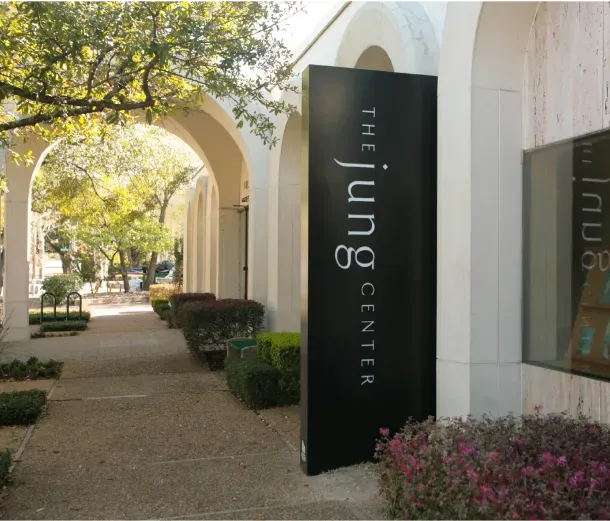
A black sign that says the jung center on it

About The Jung Center

For more than sixty years, The Jung Center has served as a nonprofit resource unique to Houston -- a forum for dynamic conversations across disciplines and perspectives about what matters most in our lives.


We champion the value of living an examined life. We prize compassion and creativity. We encourage action rooted in reflection and connection. We look beyond convenient stories to uncover what we have hidden from ourselves -- and what has been hidden from us by others. We do this through hundreds of events, exhibits, and performances every year throughout the region and online.

We are Open and Affirming

The C.G. Jung Educational Center admits students of any race, color, religion, creed, gender, gender expression, national and ethnic origin, disability, marital status, sexual orientation, or military status to all the rights, privileges, programs, and activities generally accorded or made available to students at the school.


It does not discriminate on the basis of race, color, religion, creed, gender, gender expression, national and ethnic origin, disability, marital status, sexual orientation, or military status in administration of its educational policies, admissions policies, scholarship programs, and other school administered programs.

Hours Of Operations

Business Office

Monday-Thursday
10AM - 5PM

Friday
10AM - 4PM

Bookstore & Library

Monday-Thursday
12PM - 6PM

Saturday
12PM - 4PM


Gallery

Monday-Thursday
10AM - 6PM

Friday
10AM - 4PM

Saturday
12PM - 4PM

Parking and Directions

Located in the heart of Houston's Museum District at 5200 Montrose Boulevard, we are accessible via car, public transport, bike, or walking.


Driving: Free street parking is available in the neighborhood streets around the Center. We do not have a public parking lot, however, if you have a current handicapped parking permit, please feel free to use any available space in The Jung Center’s staff parking lot, on the south side of the building. There are several paid parking lots near the Center, as well.


Public Transport: We are near the Museum District stop of the Houston METRORail, or Houston METRO buses 056 and 298 to Montrose Boulevard @ Bissonnet Street.


Bike: We have bike racks available for use at the front of our building.
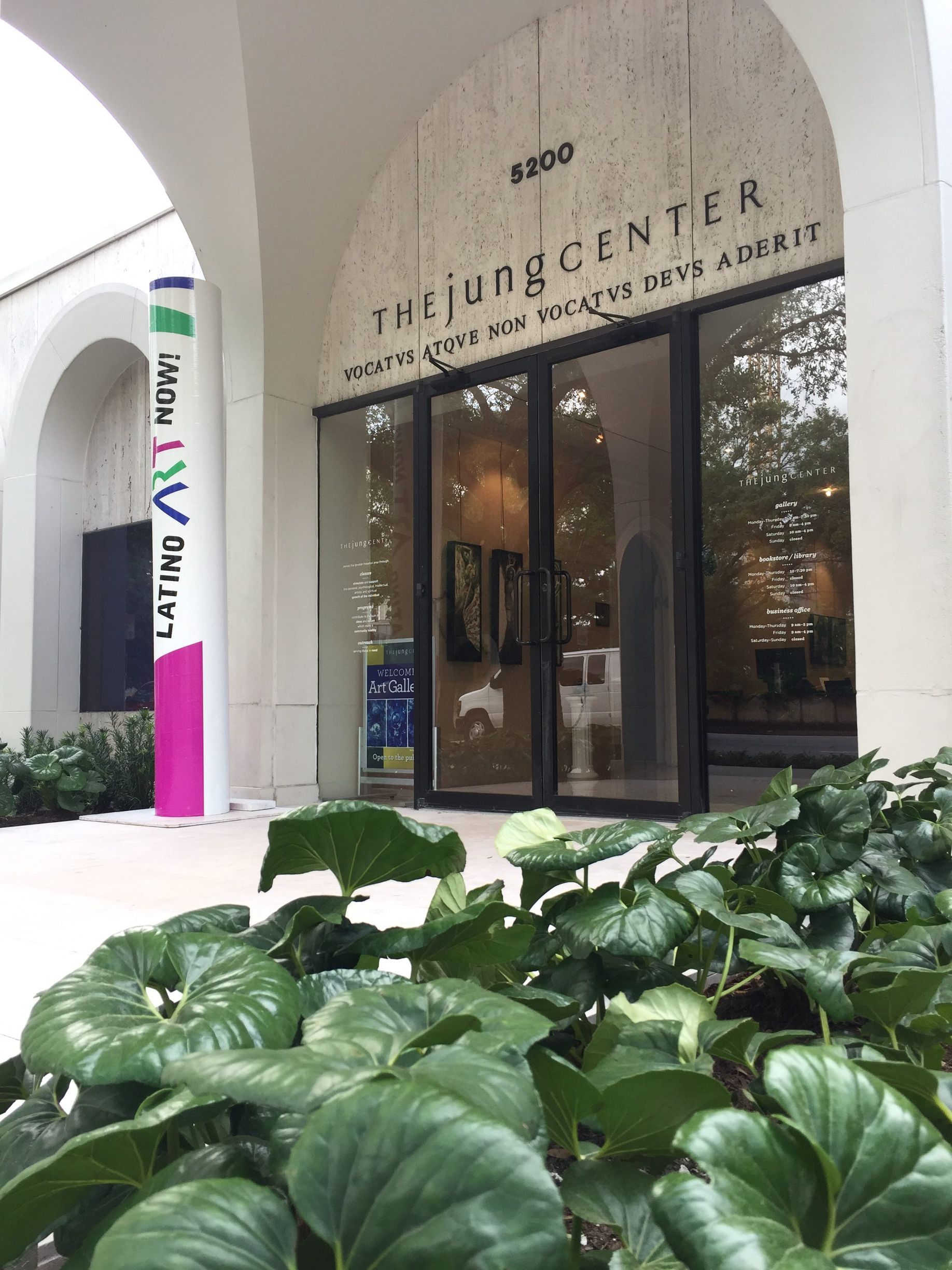
A building with a sign

Blog: Letters and Reflections

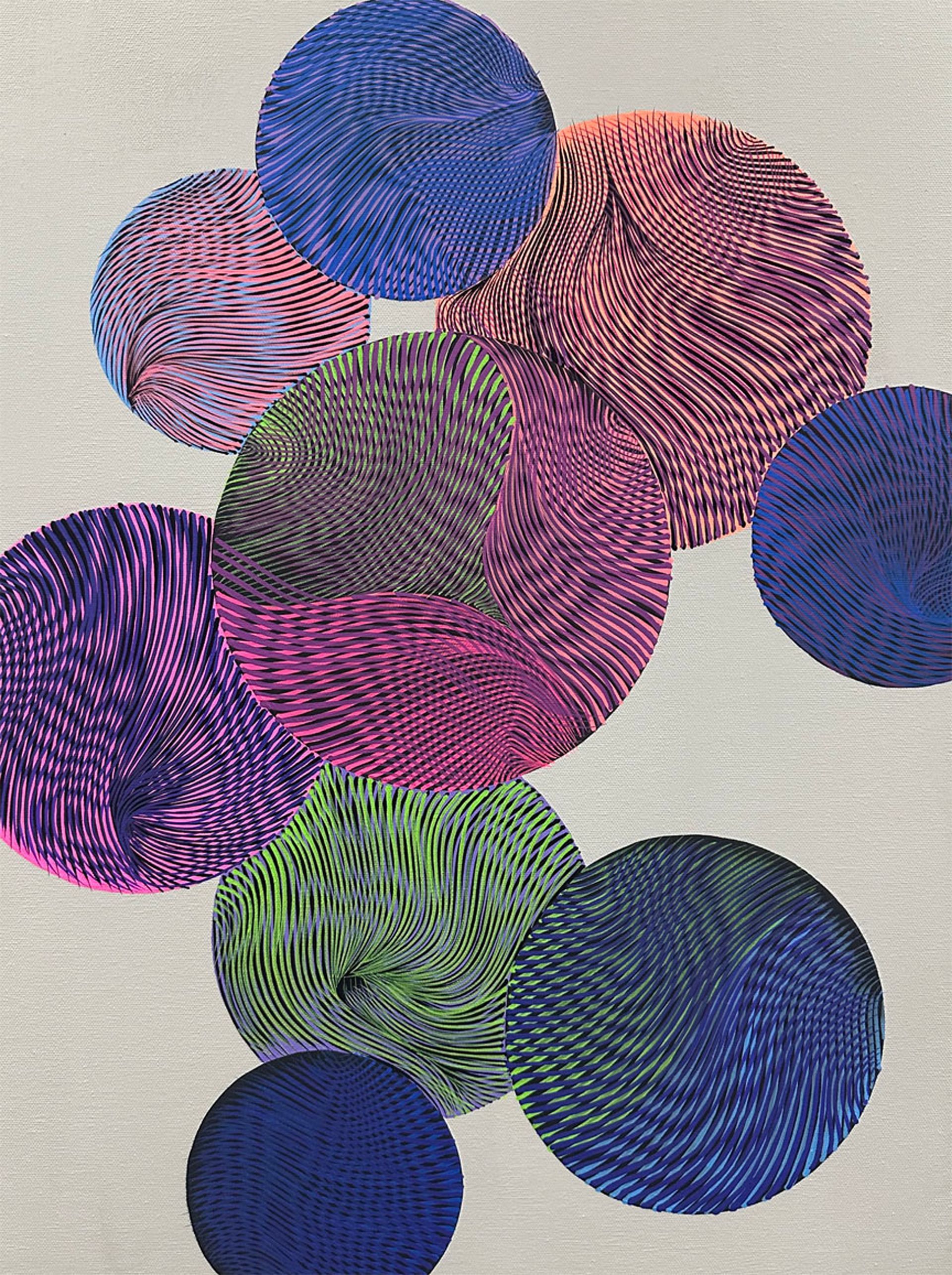
Overlapping circles in shades of blue, purple, pink, green, and orange against a light gray background with textured appearance.
By Alvia Baldwin February 16, 2026
In my professional life, I am the Director of Counseling for Alief ISD, one of the most culturally diverse districts in Texas, with our students speaking over 85 languages. In my personal life, however, I am like many of you—a spouse, a parent and grandparent, a sibling, a daughter, and, always, a champion for mental health. During the height of the pandemic, all of those roles were stressed, strained, and stretched. In my professional life, I was feeling those same pressures, especially as I led our District Crisis Response Team (DCRT), which is deployed throughout our district when there is a death of a staff member or student. Last school year, when I had the great fortune to become more acquainted with The Jung Center through the generous support of H-E-B, our DCRT was being requested more and more frequently to support issues of death, grief, and loss. I became increasingly concerned that my team of amazingly dedicated counseling professionals may begin to give way to compassion fatigue and burnout. I shared my concerns with The Jung Center team, and Dr. Sean Fitzpatrick and Dr. Alejandro Chaoul created a dynamic two-day training for our team. I vividly remember that before the first day ended, there were already members of my team in tears as they expressed in small groups some of the collective toll of trying to balance work and home, and how it was impacting their emotional wellness. Over those two days, The Jung Center provided us space and understanding as they walked us through self-care versus community care, how to combat burnout, and mindfulness techniques among other tools, reminding us to navigate life in healthy ways. And if that was not enough, The Jung Center returned to present a full-day workshop to over 100 of our amazing school and district nurses, who, at the time, had conducted more than 25,000 COVID tests over nearly a two-year period, always with a warm smile—while understanding that every interaction could have put them at personal risk. During their “Day of Care for the Caregivers,” as we coined it, the nursing staff kept coming up to me and saying, “I can’t believe someone did this for us. Someone did this just for us.” Since then, The Jung Center has sought and received funding from The Junior League to return to Alief. This year, Jasmine Shah and Dr. Fitzpatrick led two workshops for our counseling team as well as a full-day workshop for our district and school nurses. So, when I think about the impact The Jung Center had in Alief ISD, I think about the thoughtful support and stellar resources that The Jung Center provided for our counseling and nursing staff to ensure that we were emotionally healthy while we cared for ourselves and others. For that, we, along with the over 40,000 students that we serve, say, “Thank you!”
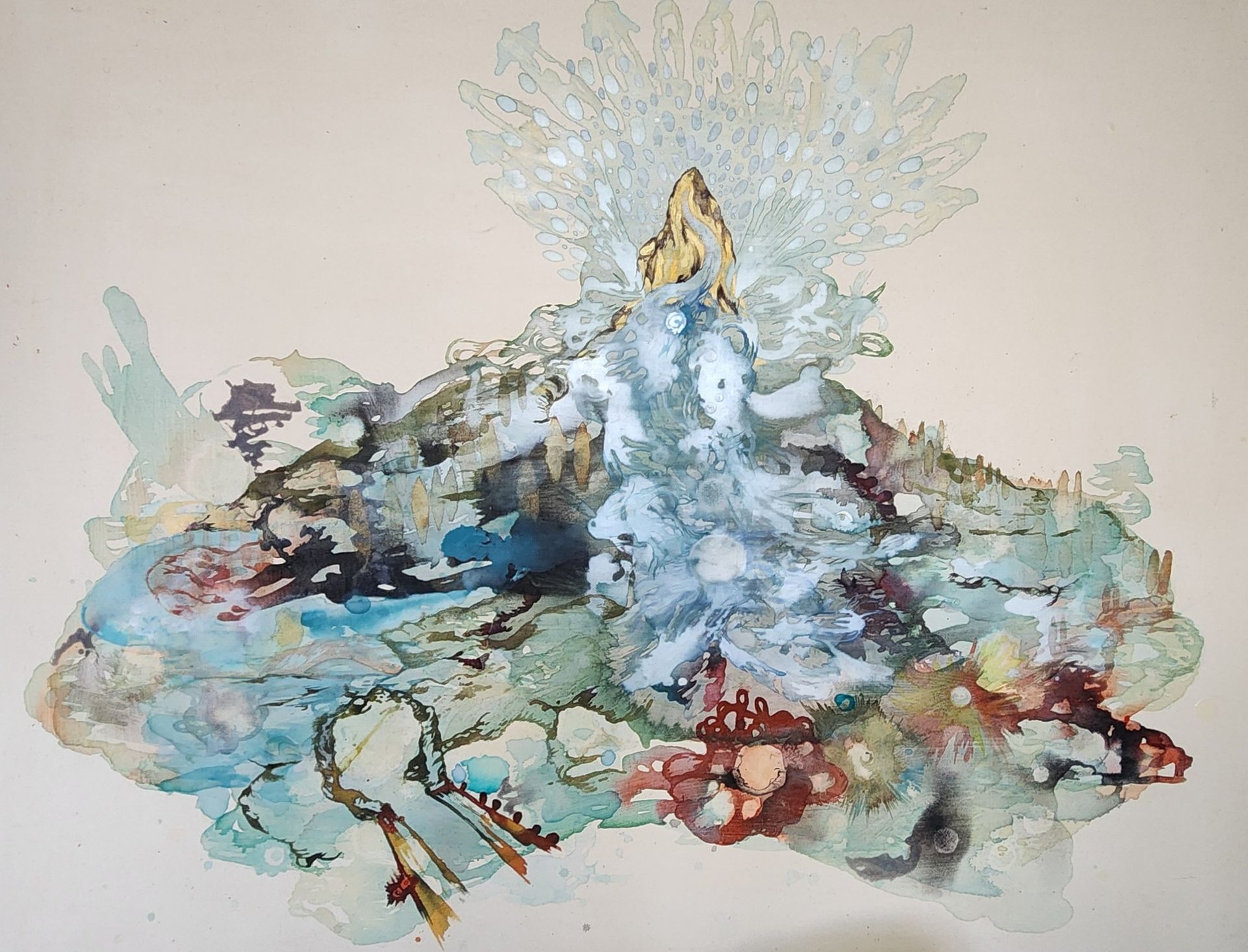
Abstract watercolor art; blues, greens, and browns blend, with a central, light-colored figure and radiant halo-like shape above.
By Karleen Koen February 2, 2026
When I had passed midlife but didn’t quite think of myself yet as old, I came across a quote from Carl Jung: “No, thoroughly unprepared we take the step into the afternoon of life; worse still, we take this step with the false assumption that our truths and ideals will serve us as hitherto. But we cannot live the afternoon of life according to the programme of life’s morning; for what was great in the morning will be little at evening, and what in the morning was true will at evening become a lie.”* The words hit me in some truth center of my being. They clarified feelings of unease, displacement, restlessness, uncertainty—quiet and deep—that had been building in me since midlife. They gave me the beginning of a way to age differently from what I had seen modeled in my family and the culture around me. Family— despair and bitterness. Culture—Botox and pills. And then I stumbled onto the beginning of the Community for Conscious Aging at The Jung Center. It became a home with fellow sojourners in this journey that we all face: growing old and dying. How does one do that in a way that is vital and purposeful, willing and willful—creative, and real, and in community? How does one live from midlife onward when the way ahead is unclear and goals of the past may no longer work as well as once they did? There is no ritual or meaning out there to help me move into this. Carl Jung writes in his essay “Stages of Life” that there is no university for midlife onward, but I feel like the Community for Conscious Aging gives me what I need. I find knowledge and advice. I find people who are on the same journey as I am, or even ahead of me. I find community. I’ve attended free programs, as well as book studies and workshops. Every month, I can hear a speaker over Zoom talk about some aspect of aging, from the practical to the esoteric. The talks are called Lunch & Learns, and they are free. I’ve learned about everything from how to age in place, to what records and documents I need done before I die, to the fact that “my kids don’t want my stuff” and the practice of Swedish death cleaning. This spring, my Lunch & Learn choices are: “Understanding Death in a New Way,” “Ethical Wills,” and “Stories We Inherit.” This spring, I can attend workshops like “Letter to My Children on Inheritance,” “Positive Aging: The Spirituality of Later Life,” or “What Matters Most: How Can We Accept Mortality?” I can meet in circles to talk deeply about anything and everything. I can go to a Jung Center Gallery Artist Talk to learn that creativity is ageless. And being part of The Jung Center means programs exist in its other divisions— The Mind Body Spirit Institute, Creating Your Life, The McMillan Institute for Jungian Studies—that cross over to enrich and feed my life. I’m now 77. I am climbing the high mountain whose summit I cannot see but know is there. Two of my sherpas and guides are the Community for Conscious Aging and what it offers, followed by The Jung Center itself with all its riches. *“The Stages of Life”, The Structure and Dynamics of the Psyche (Collected Works of C.G. Jung, Vol. 8)
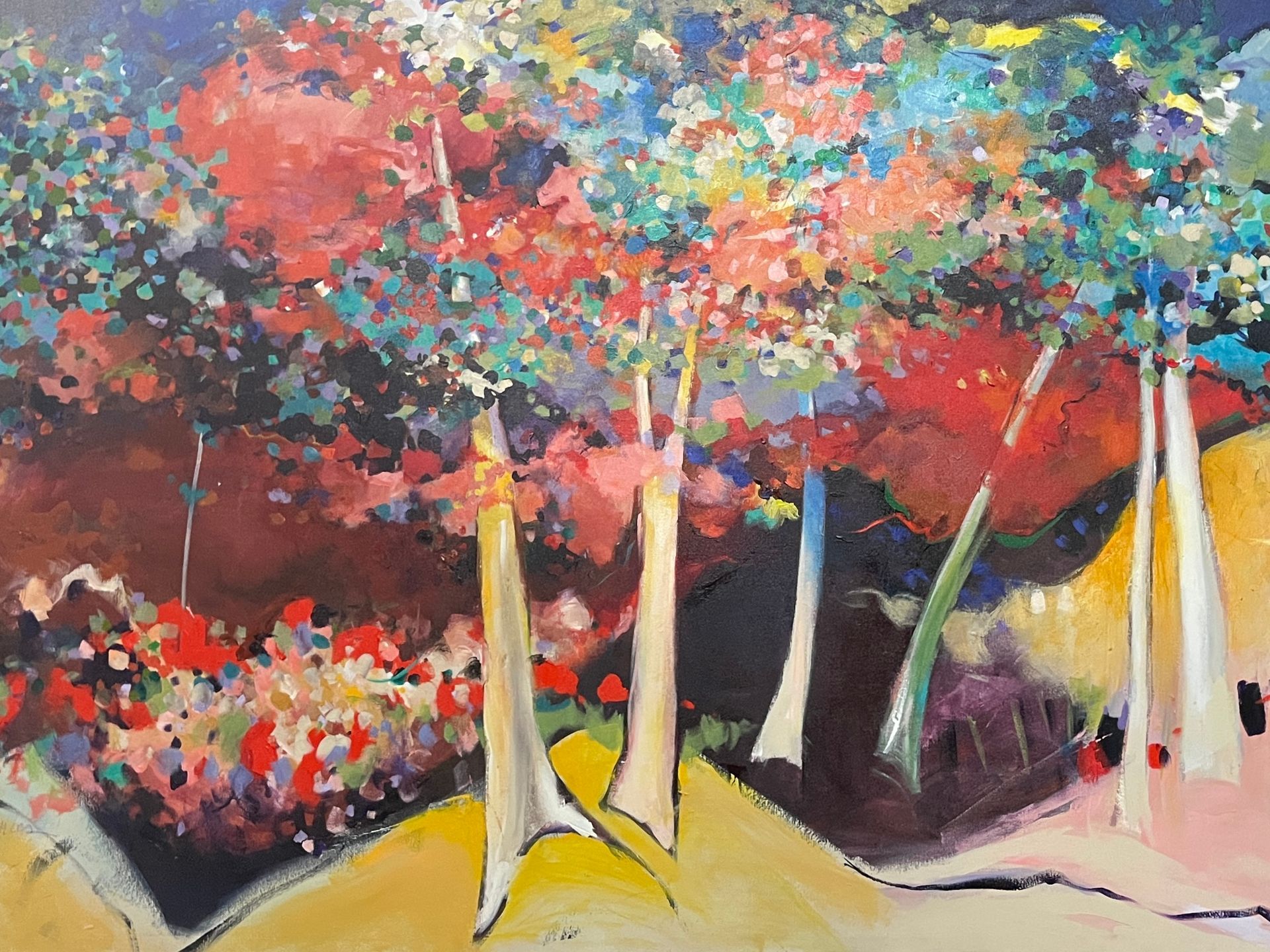
Colorful abstract painting of trees in a landscape. Reds, blues, and yellows dominate.
By Lois F. Stark January 5, 2026
When I was twelve years old, my father took me by one hand. In his other hand, he held a telescope. He led me to our backyard, where he had set up a tripod. As he positioned my eye to the scope, he asked, “Can you imagine what life on other planets might be like?” He was teaching me to wonder as much as he was teaching me astronomy. Telescopes allow us to see the unseen in stars and planets. Imagination is also a telescope for the unseen. My father pointed out the shape of the Little Dipper with its handle ending in the North Star. Once you know north, you can navigate the globe. Thinking back to that moment, he was showing me how to zoom out to infinity, how to zoom out to the possibilities imagination brings, and how to zoom in to the clue that is always available—how to find north. You can be lost in the wonder of infinity and still find your place on Earth. I followed his prompts to zoom out, to practice seeing things from above. When I was in high school, Sputnik went up. This Russian satellite was the first to enter space. It kicked off a space age, a scientific race, and a new worldview—seeing Earth from above. At that moment, I knew immediately what I wanted to be. It was not an astronaut. I wanted to be a “space lawyer”. I wanted to invent the terms that would bring agreement to the biosphere, as admiralty law did for the oceans. I imagined space law as the next iteration of the United Nations. I did not become a space lawyer, but I still practiced zooming out. I joined NBC Network News in Washington, D.C., and made documentaries in Liberia, Abu Dhabi, Israel, Northern Ireland, Cuba, and other countries in tension and transition. Filming foreign cultures was another way to see the unseen, to experience the wild variety of ways to live in this world. Just as the Big and Little Dipper use shape to key us to the stars, I started to think of shape as a way to understand human history. I remembered that when I filmed in tribal cultures, their shelters, social systems, and sacred sites were all circular, from round thatched huts to Stonehenge. When I filmed in cities, it seemed a ladder dominated their worldview, from pyramids to skyscrapers. Today, the network model masters our global lives, from technology to the map of our brain. These thoughts led to my book, The Telling Image: Shapes of Changing Times . Throughout my life in Houston, I came to The Jung Center as the place to understand the shapes and patterns in human history and in my own life story. I took courses in mythology and fairy tales, studied my night dreams and daydreams, researched symbols and wrote poetry, and took courses in the history of human ideas. The Jung Center is a place of learning, though not a school. It is a center that addresses spirit and mystery, though not a house of worship. It is a place of creative arts, though not a museum. The Jung Center offers us ways to see the unseen, to zoom out to the universe, and to zoom into ourselves.
Show More
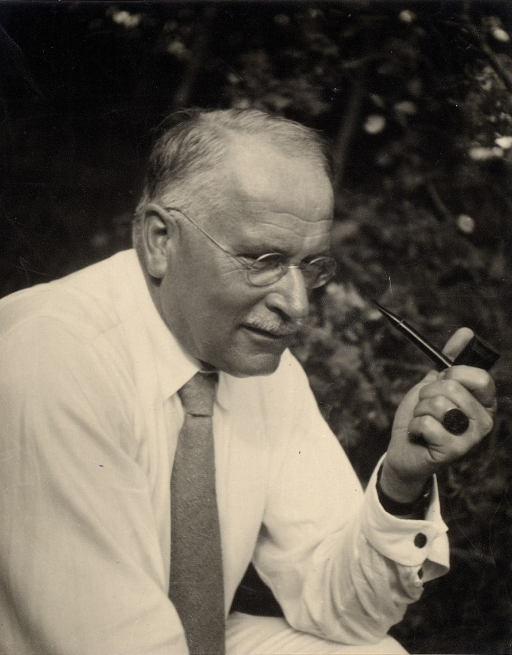
Image of Carl Jung

About Carl Jung

Carl Gustav Jung (1875-1961) developed analytical psychology, which impacted numerous fields including psychology, philosophy, anthropology, theology, and the arts. Although he initially collaborated with Freud, he eventually developed his own psychiatric methods.


Jung is known for coining terms such as introvert, extravert, and the collective unconscious. His understanding of mental life is more comprehensive than ego-identification, recognizing that we are more than our roles and others' expectations.


According to Jung, most of our being happens unconsciously. However, we can engage with our unconscious through various means such as dreams, symptoms, and daily patterns. This encounter leads to successful relationships, creativity, and a sense of purpose.


Jung proposed that we share psychological structures inherited from millions of years of human experience, evident in symbols and themes across cultures. These archetypes shape our perceptions, ideas, and emotions.


Jung believed that spirituality was a crucial part of the human journey, fostering individual growth and responsibility to the community. His psychology is compatible with secular perspectives, providing a holistic view of human experience.

Jung Center History

The Jung Center of Houston was founded in 1958 by a group of students dedicated to understanding the human psyche through the theory and methods of the psychiatrist Dr. C. G. Jung.

1954 - Jung Center History

1958

1975

1985

2008

Today and Beyond

Thanks to regional, national and international collaborations and the extraordinary gifts of technology, The Center’s reach extends far beyond Houston.


As The Jung Center has grown, many highly trained professionals in the disciplines of psychology, religion, education, and the arts have been added to the faculty to conduct classes, lectures, seminars, and workshops—all aimed at the development of the individual in the context of the family, community and culture. More than 100 faculty teach on our behalf every year and include internationally known presenters from the United States, Canada, Europe, Asia, and South America.


Each year, The Jung Center is proud to offer:


More than two hundred public classes, programs, and workshops rooted in analytical psychology, the expressive arts, and the humanities to more than three thousand new and returning students. Increasingly these events happen online as well as onsite and throughout the Houston region. Art exhibits viewed by thousands of visitors featuring noted artists in an ideal venue that is an integral part of the vibrant Houston Museum District.


Community service programs developed for under-resourced children and adults, direct human service providers (social workers, healthcare professionals, case managers, clergy, and many others caring for the needs of others), and others, in collaboration with well-respected organizations throughout Houston such as Harris County Public Health, the Network of Behavioral Health Providers, The Nehemiah Center, Houston Coalition Against Hate, the University of St. Thomas, and SHAPE Community Center.

The Jung Center Staff
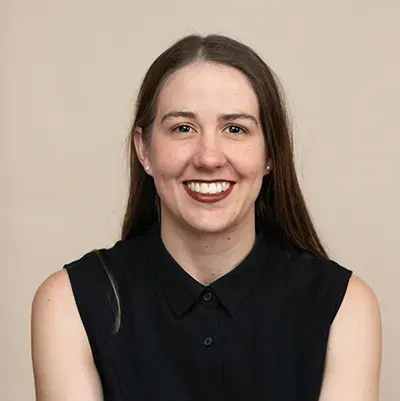
A woman in a black shirt is smiling for the camera.

Kelsey Blake

Data Manager

713-524-8253 ext 101

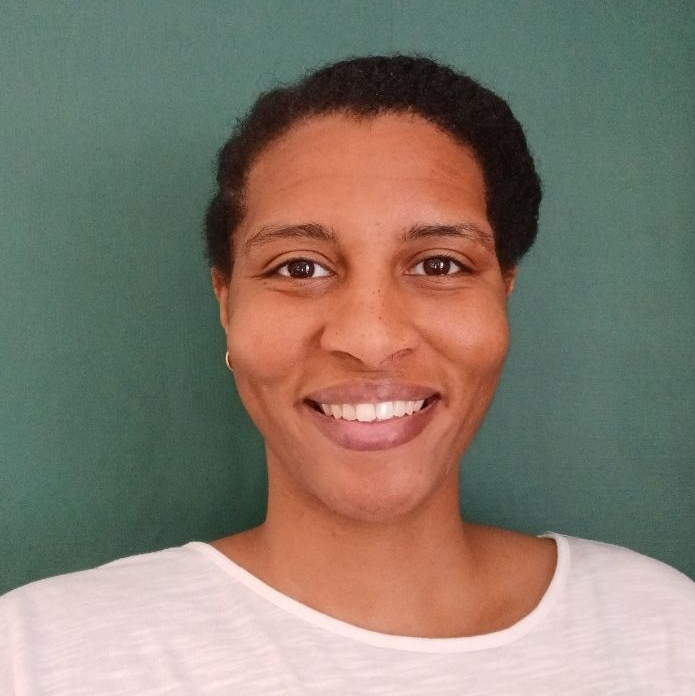
Smiling woman with dark skin, wearing a white top, in front of a green background.

Kiara Carter

Programs and Gallery Coordinator

713-524-8253 ext 108

A man with a beard is smiling for the camera.

Alejandro Chaoul, PhD

Mind Body Spirit Institute Scholar and Founding Director

A man wearing glasses and a light blue shirt is looking at the camera.

David Chen

IT Support

713-524-8253 ext 112

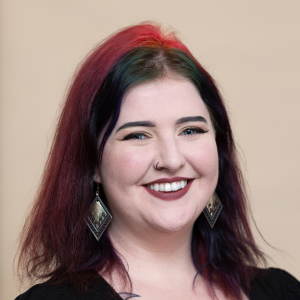
A woman with red hair and earrings is smiling for the camera.

Rachel Connelly

Marketing Coordinator

713-524-8253 ext 114

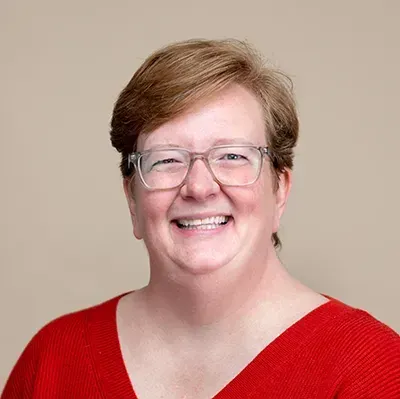
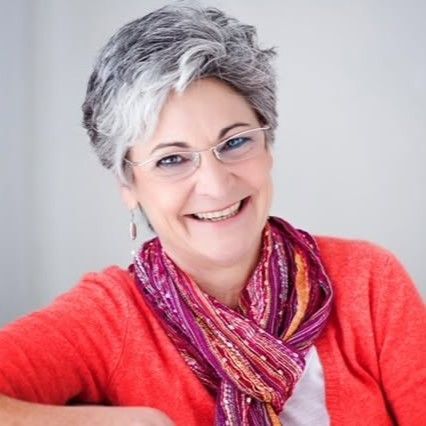
A woman wearing glasses and a red sweater is smiling for the camera.

Elissa A. Davis

Director of Internal Operations

713-524-8253 ext 104

A close up of a woman 's face with a smile on her face.

Andria Dilling

Director of Development

713-524-8253 ext 106

A man with a beard and glasses is wearing a blue suit and striped shirt.

Sean Fitzpatrick, PhD, LPC

Executive Director

713-524-8253 ext 105

A close up of a sunflower with the sun behind it

Sarah Garcia

Community for Conscious Aging Manager & Programs Coordinator

713-524-8253 ext 113

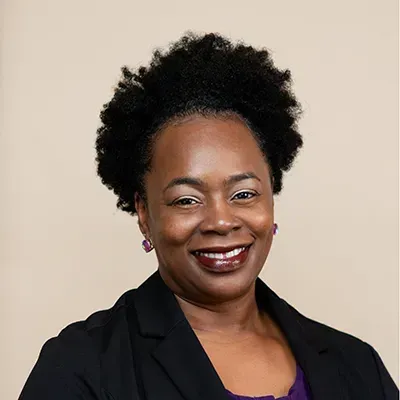
A woman in a black jacket and purple shirt is smiling for the camera.

Danna Jackson

Director of Business Office

713-524-8253 ext 109

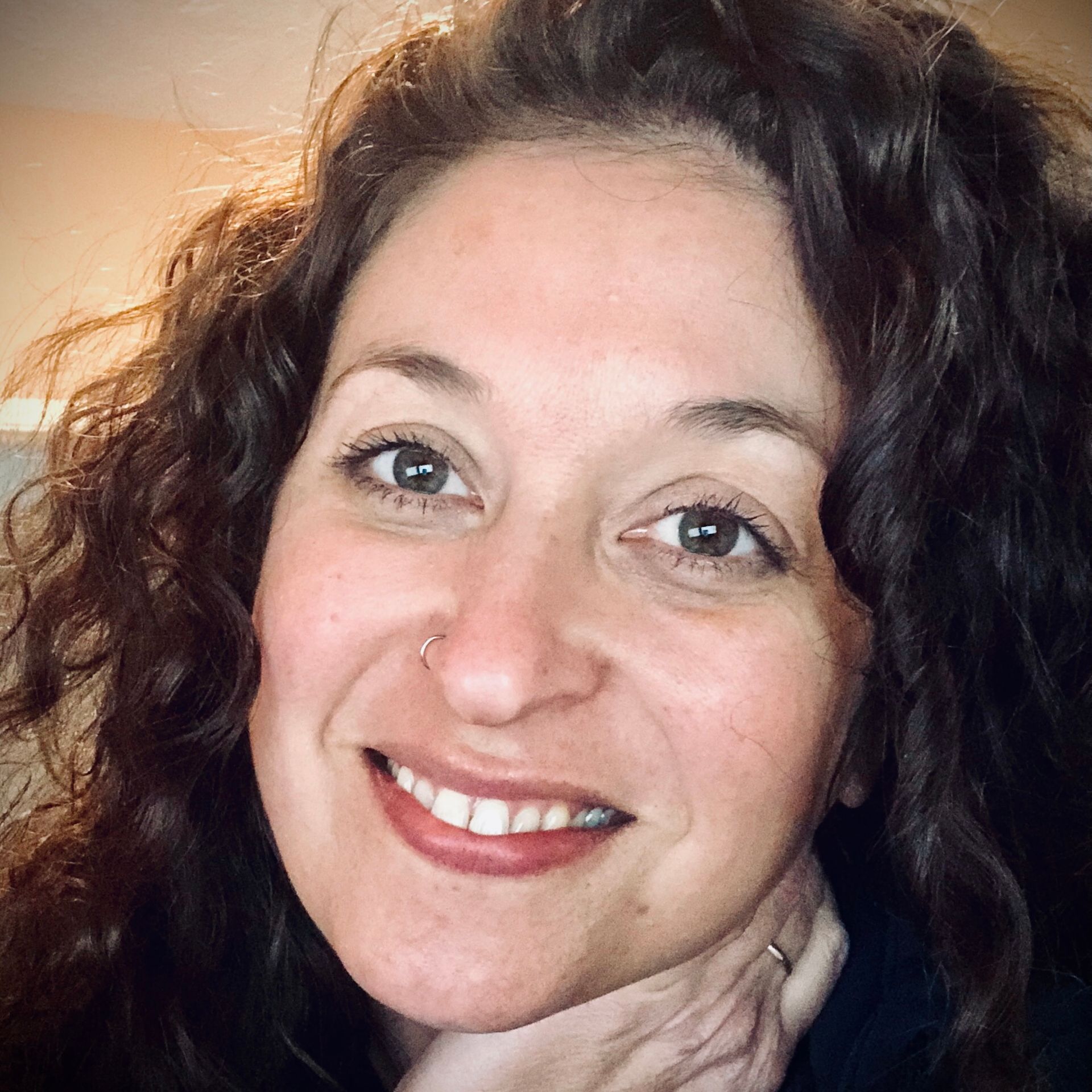
A woman is smiling while sitting in the back seat of a car.

Samantha Melman

Development Associate

713-524-8253 ext 111

A woman in a red sweater is smiling in front of a window.

Jasmine Shah

Mind Body Spirit Institute Director

713-524-8253 ext 102

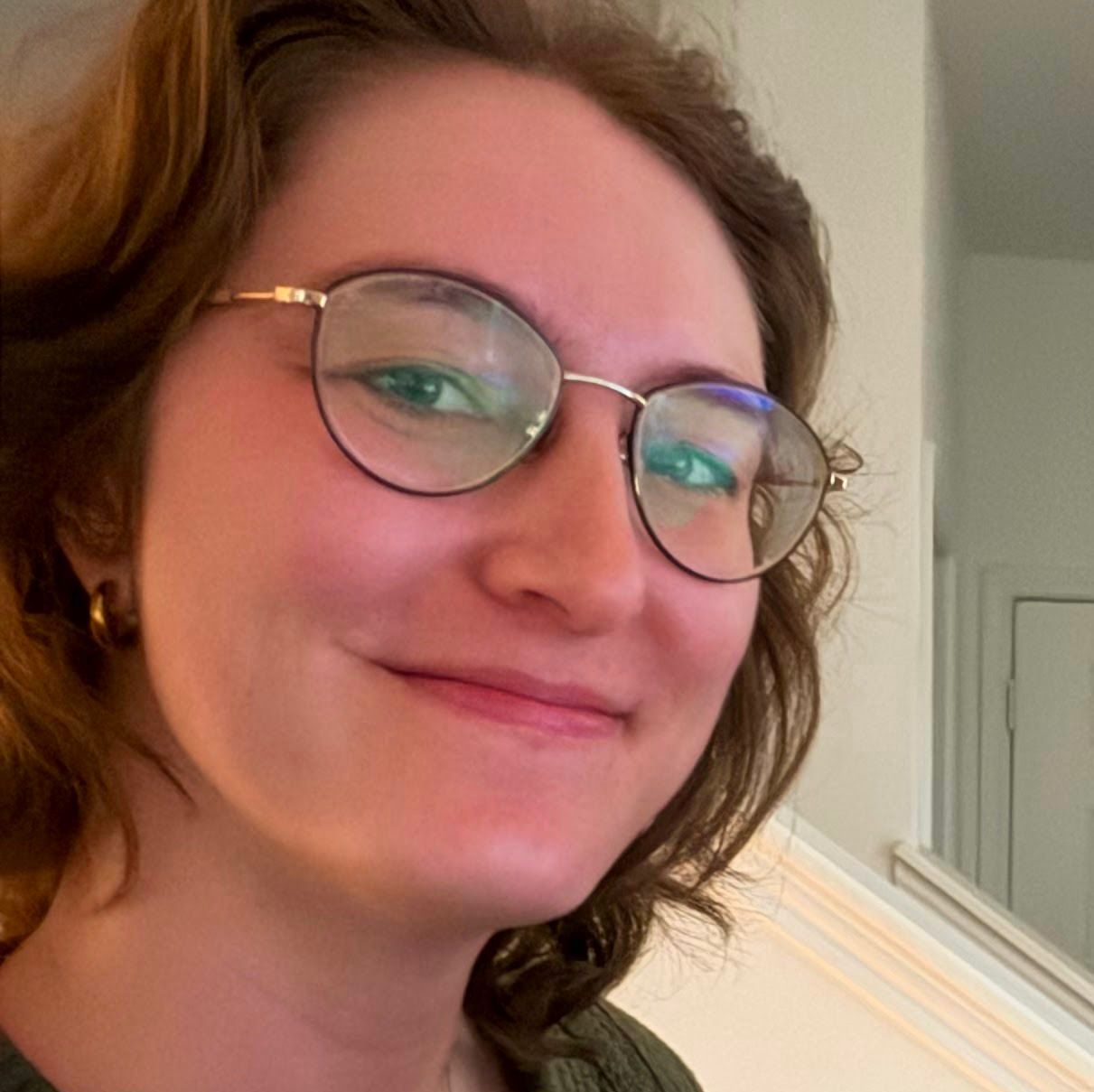
A woman wearing glasses and a blue shirt is smiling

Brooke Summers-Perry

Director of Curriculum

McMillan Institute Coordinator

713-524-8253 ext 103

A woman in a white shirt is smiling for the camera.

Annette Thorstenberg

Customer Service Associate

713-524-8253 ext 100

The Jung Center Board of Trustees

The Jung Center's Board of Trustees is dedicated to providing sound oversight and governance for the organization. The Board is comprised of professionals from diverse backgrounds and expertise, including finance, psychology, law, education, and the non-profit sector. The Board is responsible for setting goals and policies, providing financial oversight, and ensuring the Center’s mission is fulfilled. With their collective knowledge, the Board guides The Jung Center in delivering quality programs and services to the community.

Founding President

Caroline Grant Fay, MA, LPC, ADTR

When Carolyn Grant Fay founded The Jung Center, she created a legacy that gives future generations a place to find meaning, community, and their own answers to the question “What matters most?”


It is in that spirit that The Jung Center has created the Carolyn Grant Fay Legacy Circle. Members of the circle honor Carolyn Fay’s memory and keep it alive, ensuring that The Jung Center remains a valuable and vibrant resource for future generations.


We hope that you will consider becoming a member of the Carolyn Grant Fay Legacy Circle by leaving a gift to The Jung Center in your will or estate plans. It’s as easy as adding a sentence or two to your will, and no gift is too small.


Thanks to Carolyn Fay and many other supporters, The Jung Center has given Houston a place to ask questions, to explore values, and to promote honest conversations. Classes have offered thousands of people powerful, practical tools to discover what matters most and contribute to a more thoughtful, respectful, and healthy community.
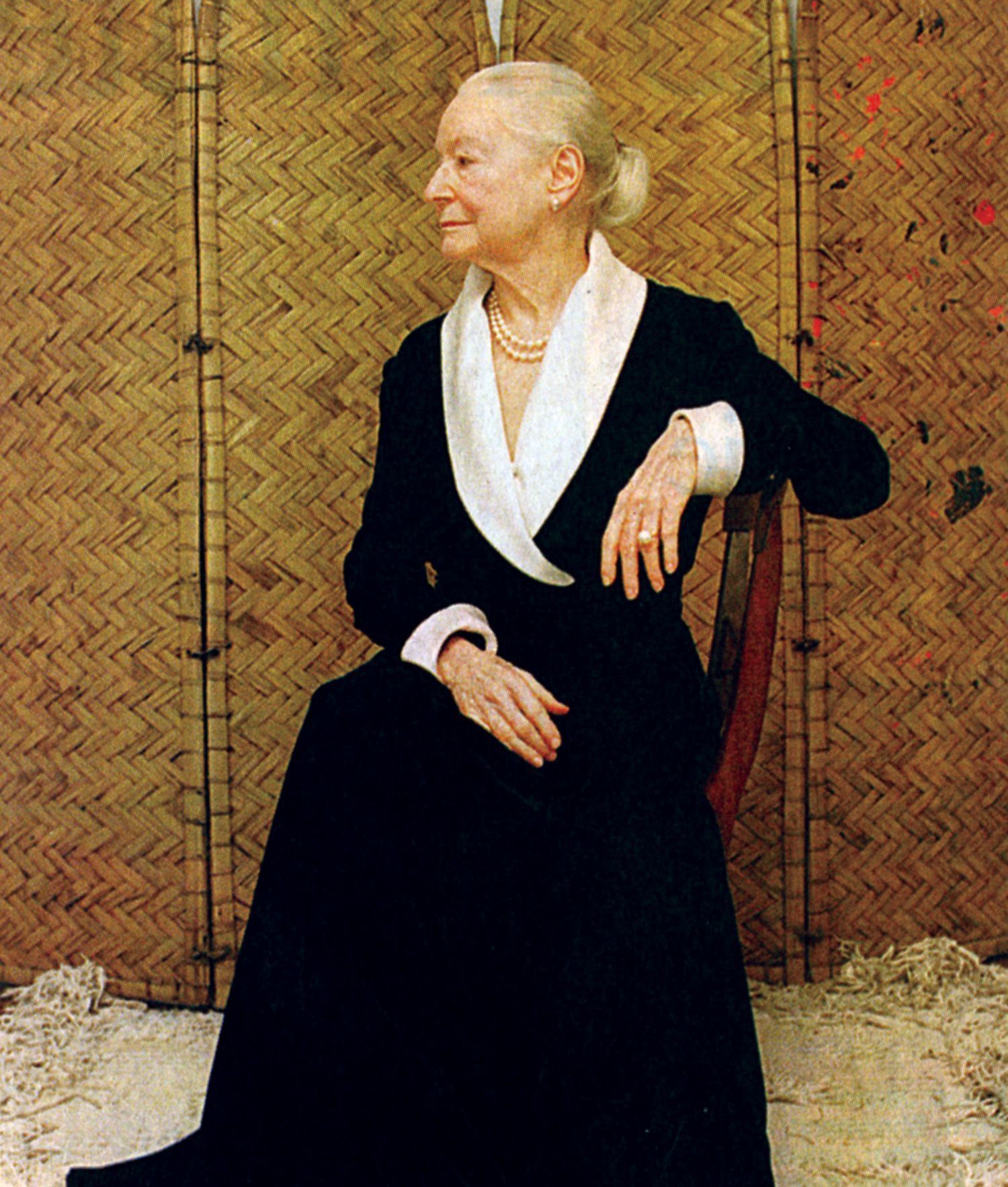
A woman in a black dress is sitting in a chair

Executive Committee

John W. Price, PhD, LPC, President

Elaine DeCanio, PhD, Vice-President

Nicole Nathan Gibson, Secretary

Eduardo T. Saucedo, Treasurer

Board Members

  • Lynn H. Baird
  • Marc E. Grossberg
  • Dr. Gina Evans Hudnall
  • Shelley Kaplan
  • Frank N. McMillan III
  • Barbara Ryan
  • David Spaw
  • Maryann Tebbe
  • Nevine S. Webster
  • Crystal Wright, MD